Convenience retail is no longer a fallback for consumers who cannot get to a supermarket. It is increasingly a deliberate choice, made by shoppers who value proximity, speed, and a range that genuinely meets their daily needs.
The convenience channel in Australia has undergone a meaningful repositioning. What was once characterised primarily by impulse categories, drinks, snacks, and tobacco, has evolved into a format that a growing number of consumers are turning to as a genuine alternative to the major supermarket for specific shopping missions.
This shift is being driven by a combination of changing consumer priorities, investment from channel operators in range and format development, and the entry of new competitive formats into the convenience space. With the C&I Expo 2026 approaching, the momentum behind convenience and independent retail is more visible than ever. For brands, the implications for channel strategy are significant.
Consumer preferences have shifted structurally
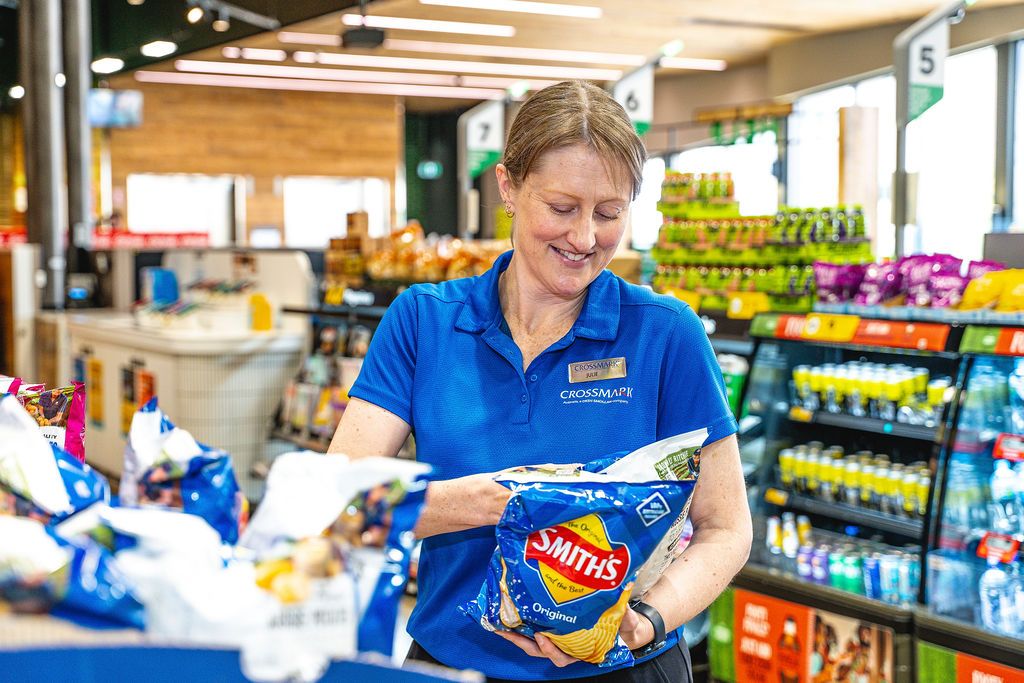
Australian consumers have become more deliberate about the role different retail formats play in their shopping behaviour. The convenience store that can credibly serve a quick lunch, a last-minute dinner solution, a household staple, and a quality coffee is meeting a different set of needs than the traditional petrol station forecourt offer. Operators that have invested in developing this broader proposition have seen meaningful growth in basket size and visit frequency.
The meal solutions category in particular continues to drive growth. Breakfast occasions represent the largest remaining white space in the channel, with lunch and dinner solutions now well established across most progressive convenience formats. Brands with relevant product propositions for the breakfast occasion have a genuine first-mover opportunity in many banner groups.
Customer retention requires genuine value
Shoppers who have discovered the convenience channel and found it to meet their needs tend to become loyal, high-frequency customers. The challenge for operators is converting initial visits into habitual behaviour. This requires consistency in range availability, service quality, and overall store presentation that builds the kind of confidence that brings shoppers back without a second thought.
For brands, this places a premium on ensuring their products are consistently available and well-presented in the convenience stores where their target shoppers are browsing. Out-of-stocks and poor merchandising are disproportionately damaging in a channel where the range is narrower and each SKU carries more weight in the overall offer.
The independent grocery opportunity
Independent grocery stores, including banner group members and unaffiliated operators, represent a substantial and growing opportunity for brands that invest in dedicated field coverage. These stores often have more flexibility in ranging decisions than major supermarkets, shorter decision-making timeframes, and stronger personal relationships with the suppliers who call on them consistently.
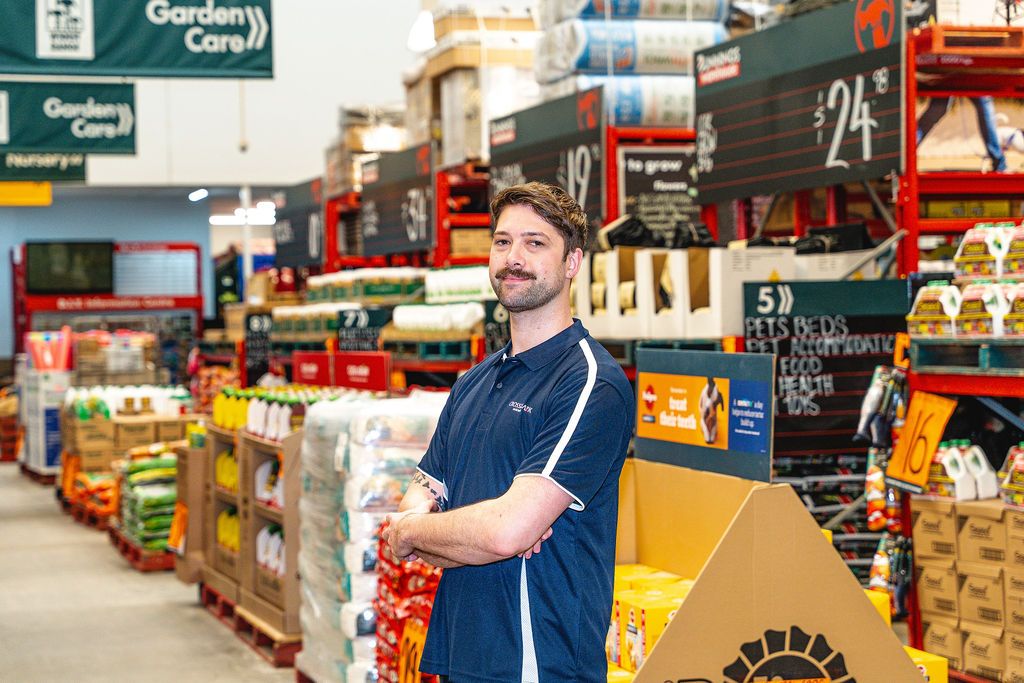
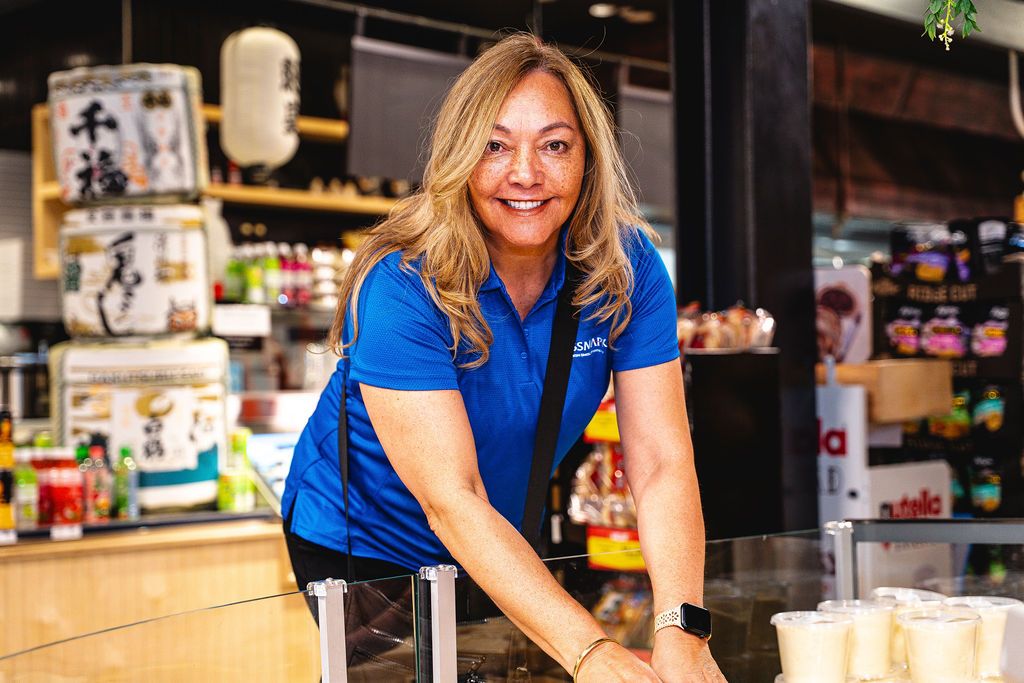
CROSSMARK has built deep coverage across the convenience and independent grocery channel nationally, with dedicated field teams who understand the specific dynamics of each banner group. This coverage provides brands with the consistent, knowledgeable field presence needed to grow and maintain distribution in a channel that rewards relationship investment.
Margins and category dynamics
The structural economics of the convenience channel continue to be attractive for the right product propositions. Gross margins in convenience are generally higher than in major grocery, and the competitive intensity from private label is lower across most categories. Brands that can position their products as genuinely relevant to the convenience shopping occasion, rather than simply replicating their grocery range without adaptation, are finding the channel increasingly rewarding.
As Australia’s convenience channel continues to evolve and professionalise, the opportunity for brands that invest early and consistently in channel-specific strategies will only grow.