Physical retail in Australia is undergoing a technology-led transformation. The stores investing in smarter, more connected in-store experiences are not just improving efficiency. They are building the kind of shopper engagement that online retail still struggles to replicate.
The role of physical retail has shifted considerably over recent years. Stores are no longer simply points of transaction. They are increasingly expected to deliver experiences that justify the effort of visiting in person, particularly as the convenience and range of online shopping continues to improve. For retailers prepared to invest in the right technologies, this represents a genuine opportunity to differentiate and deepen customer relationships.
Several emerging technologies are already being deployed in Australian retail environments, with significant further development underway. Understanding where these tools are creating value, and where the hype exceeds the reality, is increasingly important for brands and retailers planning their in-store investment priorities.
Electronic shelf labels and smart shelving
Electronic shelf labels, which replace paper price tickets with digitally managed displays, have moved from pilot programmes to broader rollout across a number of Australian retail formats. The operational benefits are substantial. Pricing can be updated centrally and instantly across an entire store network, eliminating the labour cost and error risk associated with manual ticketing and ensuring promotional compliance from the moment a campaign activates.
Beyond pricing, more sophisticated smart shelf systems incorporate inventory sensing and analytics capabilities that provide real-time stock visibility at the product level. According to Andy Kirk, Chief Executive Officer at CROSSMARK Australia, this technology has meaningful implications for field marketing. “When a retailer can see precisely which SKUs are running low at which stores in real time, field deployment can be directed with a precision that simply was not possible previously. The stores that need attention get it first.”
Enhanced self-service and checkout technology
Self-service checkout technology has become a standard feature of Australian supermarkets and is now expanding into a wider range of retail formats. The next generation of self-service capability, including mobile scan-and-go applications and frictionless checkout technology, is being trialled across select locations and is expected to see broader adoption as consumer familiarity increases.
The challenge for retailers is balancing automation with the human element. Research consistently shows that many Australian shoppers still value the option of staff-assisted service, and the removal of human interaction points needs to be managed carefully to avoid eroding the service experience that differentiates physical retail from online.
RFID and inventory accuracy
Radio frequency identification technology is finding increasing application in retail inventory management, particularly in apparel and general merchandise. RFID-tagged products allow stock counts to be conducted rapidly and with high accuracy, reducing the discrepancies between recorded and actual inventory that drive out-of-stock situations and misallocated stock across store networks.
As the cost of RFID implementation continues to fall and retailer adoption grows, brands supplying into RFID-enabled environments will need to factor tagging requirements into their packaging and logistics operations.
Indoor location and personalisation
Location-based technology within retail environments, using Bluetooth beacons, WiFi positioning, and app-based navigation, is enabling more personalised and contextually relevant shopper experiences. The ability to deliver product information, promotional offers, or wayfinding assistance to a shopper based on their precise location within a store represents a meaningful evolution in how physical retail can engage customers at the point of decision.
The field marketing implication
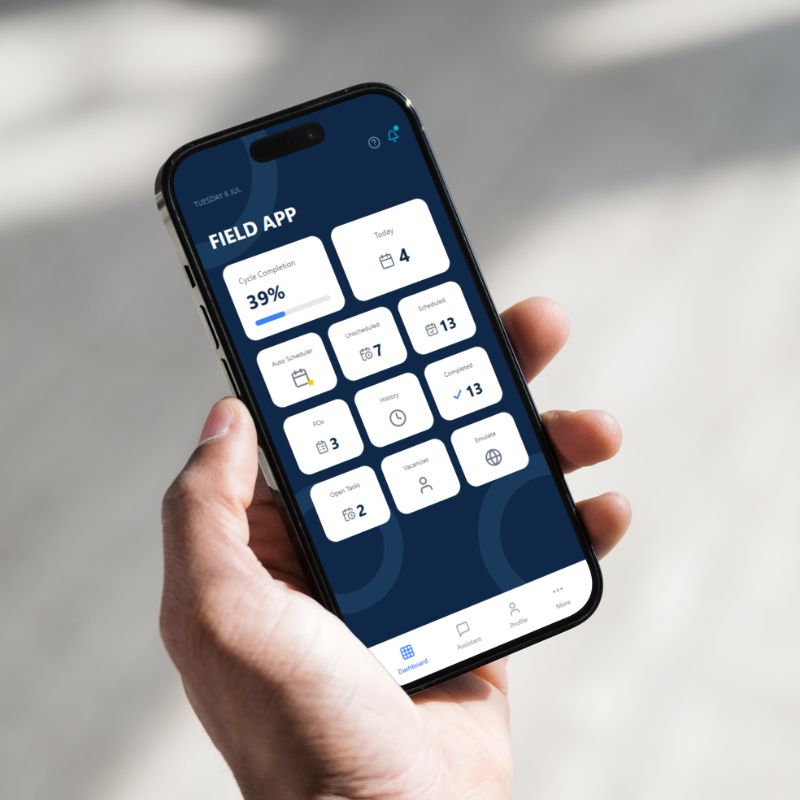
As retail technology evolves, the role of field marketing teams evolves alongside it. Field staff increasingly need to understand and work within technology-driven store environments, whether that means working with electronic shelf systems, supporting technology-enabled promotional activations, or capturing richer data through field management platforms. CROSSMARK invests continuously in the capabilities of its field teams and the technology that supports them, ensuring clients benefit from execution that keeps pace with the changing retail environment.